
Hi, I’m Annie Little.
I’m a voice coach, singer, performer, and founder of The Unlimited Voice.
I help singers understand what is really happening in their voices so they can stop guessing and sing with more freedom, confidence, and artistry.
Many of the singers who find me have already worked hard. They may have taken lessons, trained classically, performed professionally, or spent years trying to teach themselves. They care deeply about singing, but still feel as though an important part of their voice is just out of reach. They are tired of flipping, straining, holding back, or wondering whether they will ever sound the way they want.
I understand that experience because I have lived it myself.


I grew up underneath a piano
Some of my earliest memories are of sitting beneath our baby grand while my mother taught piano. Music was part of my world from the beginning, and I started singing in choir in seventh grade.
My training in high school and college was classical. I learned a great deal from it, but I knew classical music was not where my heart was leading me. I wanted to sing contemporary music, write songs, tell stories, and use my voice in a way that felt honest and unmistakably like me.
Eventually, I moved to Los Angeles and built a creative career across music, acting, and modeling. I wrote and recorded music as one half of the duo Little & Ashley, and had my music signed and placed in television and film. One of the most memorable projects of my career was an Amazon Kindle campaign that I co-wrote and starred in, combining music, acting, and stop-motion animation.
I was doing many of the things I had dreamed of doing.
But my voice still felt unreliable.

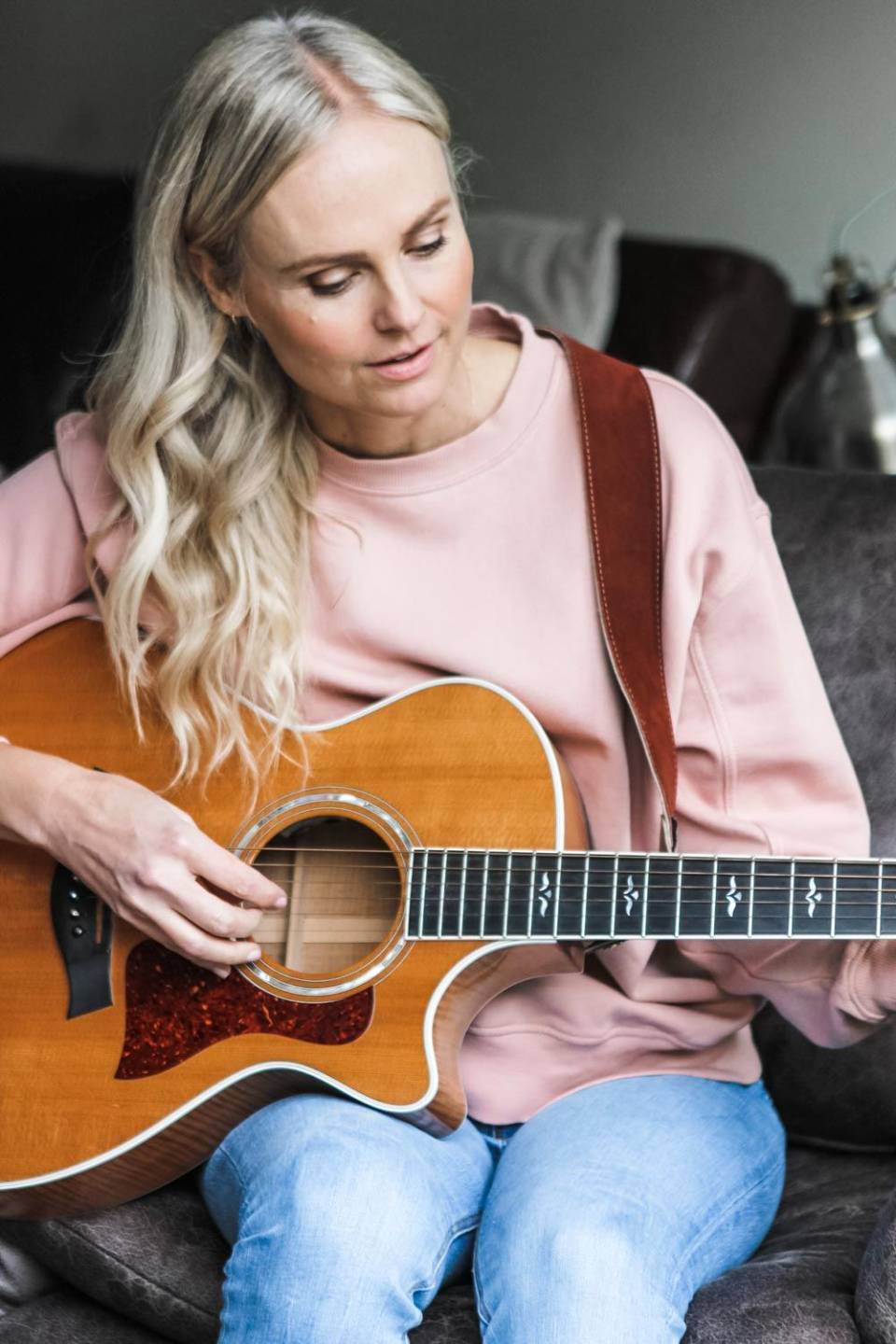
The sound I wanted felt just out of reach
I could rely more comfortably on my classical training when I sang legit musical theater material. But when I wanted more weight, power, belt, or a contemporary sound, I felt insecure.
My voice seemed divided. I had one relationship with my chest voice and another with my head voice, while mix still felt elusive and unpredictable. I had also developed deeply ingrained habits, including squeezing and manipulating my larynx, but I did not understand how to change them.
At times, singing became so discouraging that I stepped away from it. But I could never truly walk away from a form of expression that mattered so much to me.
I kept searching for answers. I studied with different teachers and made progress, but it was slow. I still didn’t understand why my voice behaved the way it did.
Often, I was given exercises without understanding what they were intended to change. I was told that my voice should “feel like one voice,” or that I should place the sound away from my throat, but no one explained the coordination that would create those sensations. Trying to manufacture them only led to more confusion and manipulation.
What I needed was not another general exercise. I needed teachers with the experience and ear to recognize the specific habits in my voice and help me retrain them.

Finding the level of training I needed
I joined the Institute for Vocal Advancement ten years ago, and that work became the most significant chapter in my vocal development.
With highly skilled teachers I trusted, I began to understand the habits that had made my voice feel divided and unreliable. We could identify what was happening and train my voice specifically.
Over time, I began to experience my voice as one connected instrument. I learned that I could open my vowels without squeezing, give more energy to the sound, and sing with greater power instead of holding back. I began to access contemporary sounds and colors I had wanted for years but had never fully trusted myself to use.
Realizing that my voice actually could do those things was deeply emotional. It also made singing fun again.
My old tendencies did not disappear, and I still work on many of them today. The difference is that I understand what is happening and know how to guide my voice back toward greater balance and freedom.
To me, vocal freedom does not mean never needing to work on your voice again. It means understanding your instrument, recognizing its patterns, and having the tools to find your way back.
How my journey shaped the way I teach
Working through technically complex issues in my own voice gave me enormous empathy for singers whose voices do not respond to a quick fix.
Experienced singers may have developed sophisticated ways of compensating that allow them to work successfully while still limiting their freedom, consistency, stamina, or access to certain sounds. Others have received conflicting advice, bounced between random tutorials, or become convinced that their voice is simply broken.
Their voices may simply require more precise listening and more specific training.
One of my greatest strengths as a teacher is my ear. I can often hear quickly what is happening in a voice and identify the habit creating strain, instability, or limitation. From there, I choose exercises for that particular singer rather than giving everyone the same routine.
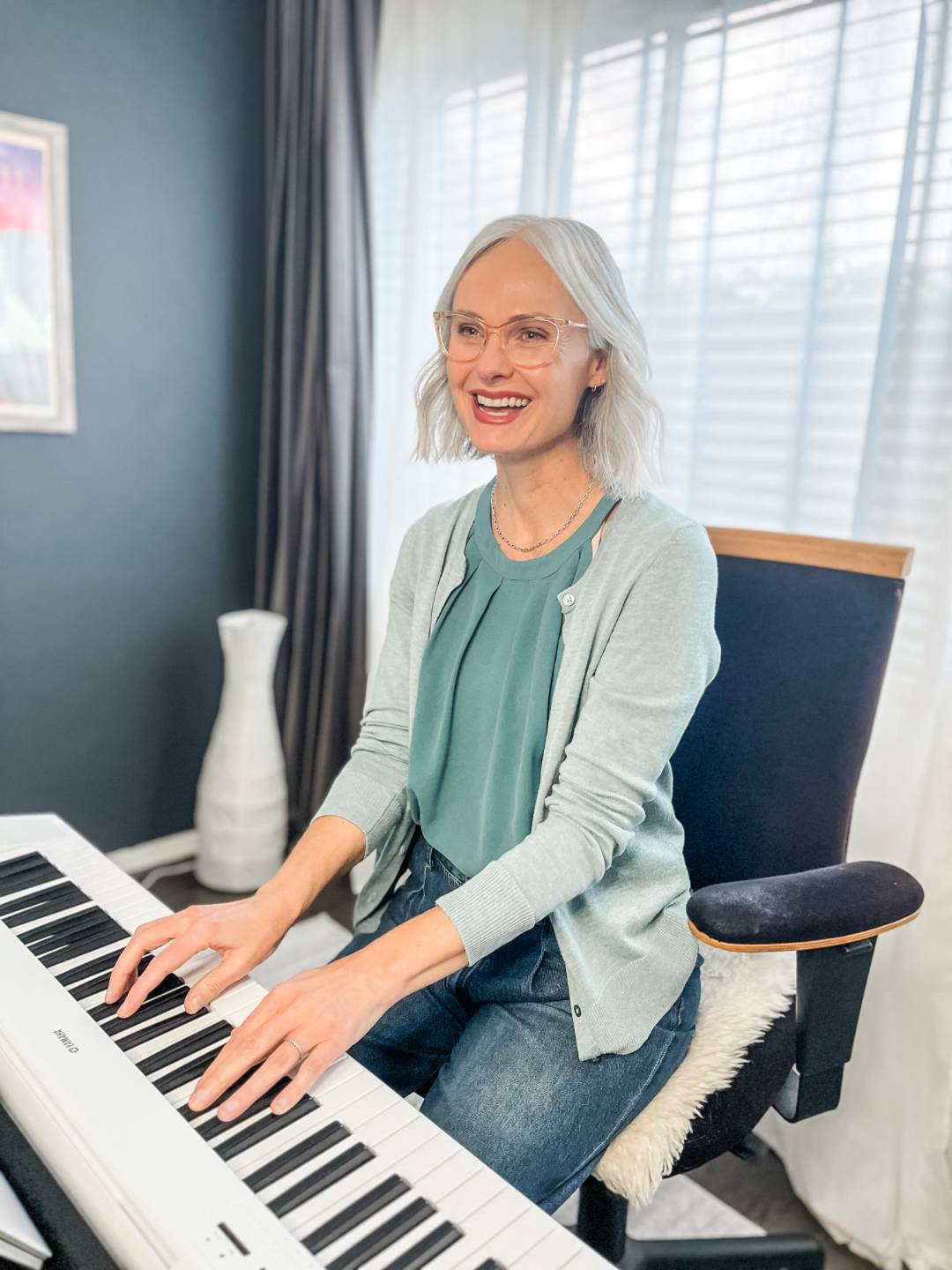
I also want my students to understand what we are doing. You do not need to become a vocal scientist, but you should know what an exercise is meant to help and how to practice it effectively on your own.
And you do not have to perform for me.
Even experienced performers need a place where they are not expected to deliver. A voice lesson should be a working space where you can experiment, make imperfect sounds, dismantle habits, and discover something new without having to prove what you can already do.
Some of the most important breakthroughs happen when we stop trying to sound good for a moment and become curious about what the voice is actually doing. Learning to sing requires discipline, but it should also include curiosity, play, and genuine joy.
Who I work with
I work with adult and teen singers at different stages of their development: professional performers, recording artists, singer-songwriters, classically trained singers developing contemporary coordination, longtime singers retraining deeply ingrained habits, singers returning after time away, and thoughtful beginners who want to build a strong foundation.
You may want help connecting your chest, mix, and head voice; reducing flipping or strain; developing a stronger contemporary sound or healthier belt; understanding your range and choosing better keys; or applying technique to songs without losing your individuality.
You do not need to arrive knowing exactly what is wrong. Part of my job is helping you identify what you may not yet be able to hear for yourself.
Freedom Through Technique
I am an Advanced Instructor with the Institute for Vocal Advancement, and I have spent the past ten years deepening my ability to work with both developing voices and complex, ingrained vocal patterns.
But technique is never the final destination.
I do not want to make every singer sound the same. I want to give you the coordination, understanding, and confidence that allow more of you to come through.
Technique should support your expression, not replace it.
Whether you are performing regularly, returning to singing, preparing to share your own music, or simply determined to stop guessing about your voice, there may be far more available to you than you currently realize.
Find the right way to begin
PRIVATE VOICE COACHING
Personalized one-on-one training focused on your individual voice, goals, and musical style.

UNLIMITED VOICE STUDIO MEMBERSHIP
A flexible way to keep learning through monthly live training, vocal exercises and resources, class replays, community support, and occasional opportunities to perform.